
Are Lifejackets Provided on Dia Island Cruises?
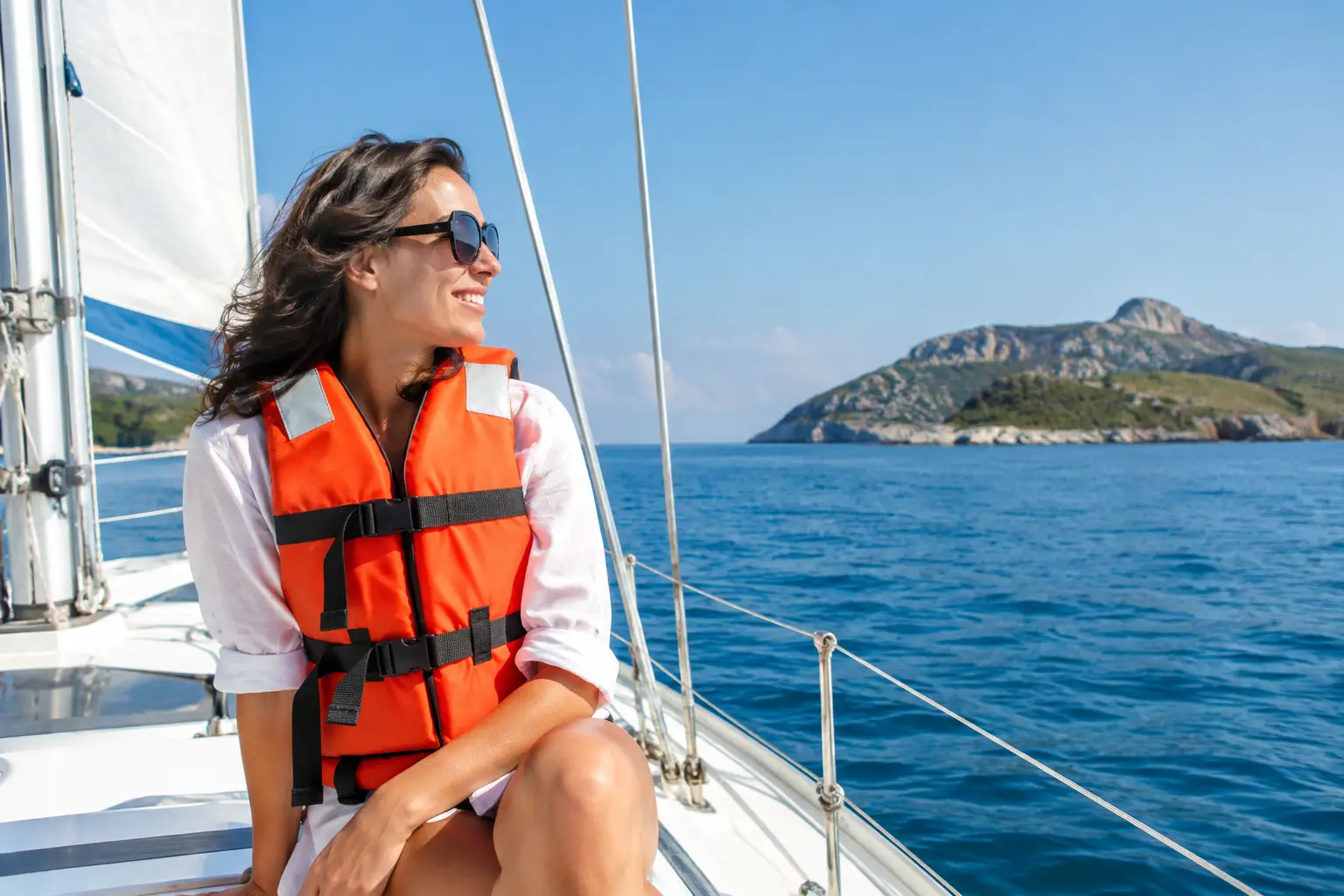
You are standing at the marina, looking at the blue water beyond Heraklion and wondering one very practical thing before you step aboard: are lifejackets provided? Yes. On a professionally operated sailing cruise, lifejackets are part of the essential onboard safety equipment, ready for guests whenever they are needed.
That simple answer matters, especially if you are traveling with children, are not a confident swimmer, or have never been on a sailing yacht before. A trip to Dia Island should feel exciting and relaxed, not like a test of your sea legs. Knowing how lifejackets are handled lets you focus on the good part: sailing out along Crete’s coast, dropping anchor in clear water, and enjoying time with the people you came with.
Are Lifejackets Provided on Sailing Trips?
Yes, lifejackets are provided for passengers on Cretan Yachts day cruises and are kept onboard as part of the yacht’s required safety equipment. You do not need to purchase or rent one separately, and you do not need to pack a bulky vest in your suitcase.
Before departure, the captain and crew introduce guests to the yacht and explain the important safety details. They will show you where safety equipment is stored and what to do while moving around the boat. If you would feel more comfortable wearing a lifejacket at any point, simply tell a crew member. A welcoming crew should never make you feel awkward for asking.
On a calm, well-managed day cruise, most guests do not wear lifejackets for the entire journey. They are there for safety, not to get in the way of relaxing in the sun, enjoying refreshments, or taking in the view. But conditions can change, and the captain’s instructions always come first.
A lifejacket is not the same as a swimming aid
This distinction is helpful for families planning a day at sea. A lifejacket is designed to support flotation in the water and is an essential piece of safety equipment. Snorkeling aids, noodles, and other buoyancy items are different tools intended to make relaxed swimming more comfortable.
If your child is still learning to swim, or if you prefer extra support in the water, let the crew know before the swim stop. They can help you understand the available equipment and the safest way to enter and exit the water. Children should always remain under the close supervision of a parent or guardian, even when flotation gear is being used.
When Might You Be Asked to Wear a Lifejacket?
The captain is responsible for the yacht, everyone onboard, and the day’s decisions at sea. That means lifejackets may be recommended or required in certain situations, such as rougher conditions, a change in weather, or specific maneuvers around the marina.
Guests may also be asked to wear one during an emergency, although the goal of professional preparation is to make emergencies exceptionally unlikely. Listening to the crew, keeping walkways clear, and moving carefully while the yacht is under sail all contribute to a safe, easygoing experience.
For some guests, the right time to wear a lifejacket is simply whenever it adds confidence. First-time boat travelers, nervous swimmers, and parents holding young children may feel more at ease with one on. There is no prize for looking fearless. The best cruise is the one where everyone feels comfortable enough to enjoy it.
Children and lifejacket sizing
Adult lifejackets do not automatically fit children safely. Proper sizing matters because a vest that is too large can ride up, while one that is too small may not provide the intended buoyancy. When booking a family cruise, share each child’s age and approximate weight in advance whenever possible.
This gives the crew time to prepare suitable equipment and helps make boarding smoother. On the day of the cruise, ask for a fit check if your child will be wearing a lifejacket. The crew can help ensure it is secured correctly before the yacht leaves the harbor or before your child enters the water.
What Happens During the Dia Island Swim Stop?
Reaching Dia Island is often the moment guests have been waiting for. The yacht anchors in a sheltered bay, the sea shifts from deep blue to bright turquoise, and the pace changes completely. You can swim, snorkel, float, or stay aboard with a cool drink and enjoy the view from the deck.
Lifejackets remain available during the stop, but whether you wear one while swimming depends on your confidence, the crew’s guidance, and the conditions that day. The crew will explain the best place to enter the water and how to use the swim ladder safely. Never jump in before the captain or crew says it is safe to do so.
A few small habits make a big difference. Enter the water slowly if you have not swum in open water recently. Keep an eye on children at all times, even in calm bays. Avoid swimming far from the yacht, particularly if you are tired or have been enjoying the sun. If you are unsure about anything, ask. That is exactly what the crew is there for.
Do You Need to Bring Your Own Lifejacket?
For a regular sailing excursion, no. Lifejackets are supplied onboard, so there is no need to bring your own. In fact, carrying an unfamiliar personal flotation device through an airport and around your hotel often creates more hassle than value.
There are a few exceptions. If you have a medical need, require a specialized adaptive flotation device, or are traveling with an infant who needs equipment beyond standard onboard sizing, contact the operator before booking. It is always better to discuss specific requirements in advance rather than make assumptions at the marina.
For most guests, packing for a Dia Island cruise is pleasantly simple. Bring swimwear, a towel, sunscreen, a hat, and sunglasses. A light layer can be useful on the return journey, especially on a sunset cruise when the breeze picks up. Leave valuables at your accommodation when possible, and use a waterproof pouch for any phone or camera you bring aboard.
Safety Starts Before the Yacht Leaves the Harbor
A lifejacket is only one part of a safe day on the water. Well-maintained yachts, experienced captains, clear safety procedures, weather awareness, and attentive crew support all matter just as much. The best operators assess conditions before departure and adjust the experience when necessary, rather than treating an itinerary as more important than guest well-being.
You can help by arriving on time, paying attention during the welcome briefing, and being honest about any concerns. If you are prone to motion sickness, take appropriate precautions before boarding and mention it to the crew. If someone in your group is anxious around deep water, tell the team early so they can offer reassurance and practical guidance.
A good sailing day does not require experience. It requires the right yacht, thoughtful preparation, and a crew that knows when to offer a hand, a local story, or a little extra confidence.
So, are lifejackets provided? Yes - and more importantly, they are part of a wider safety-first approach that allows you to relax and enjoy the sea. Choose the cruise that suits your group, ask any questions before you depart, and let the captain and crew take care of the details while you make room for the memories.
