
Dia Island History and Wildlife You Can See
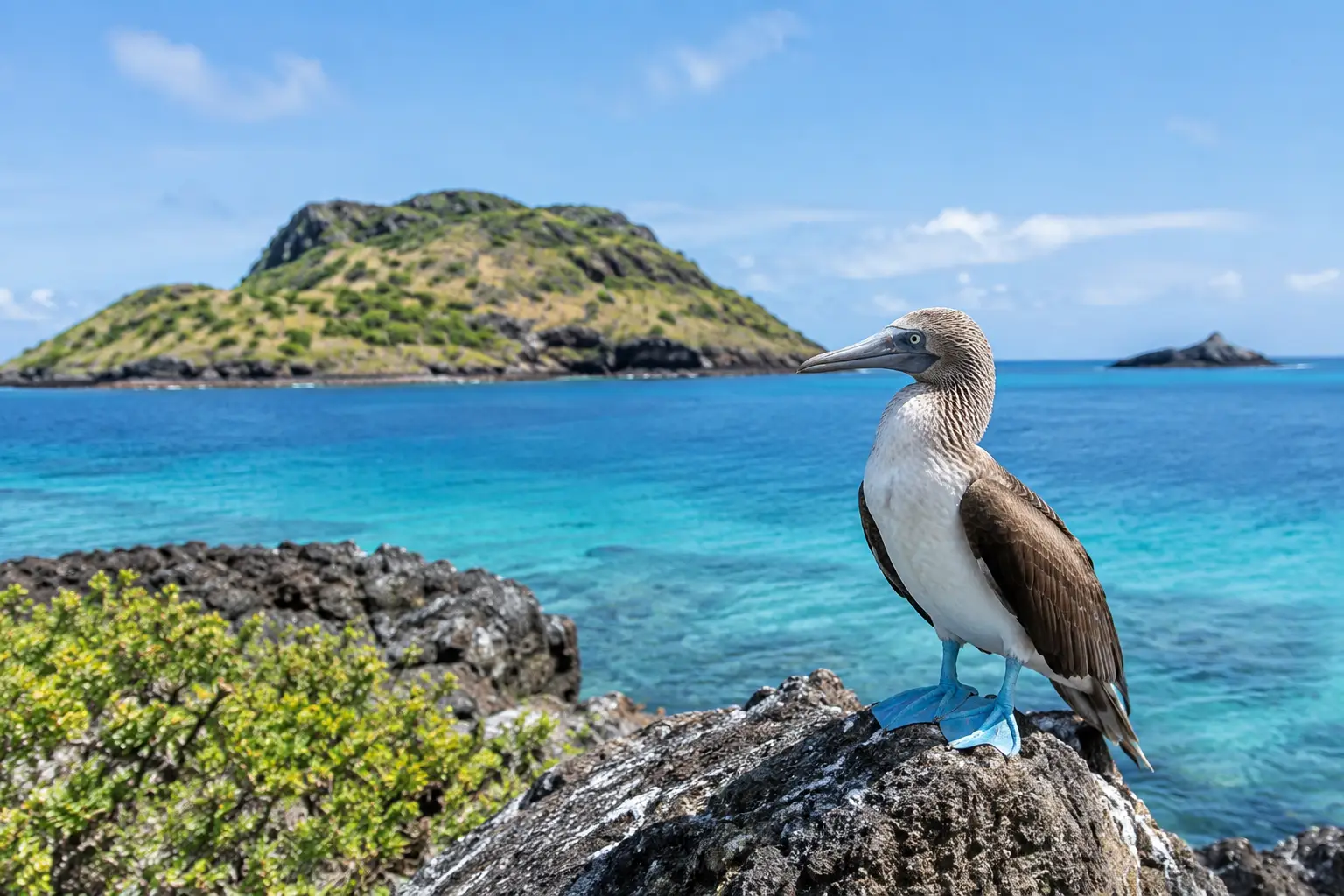
From the harbor at Heraklion, Dia looks close enough to touch, its long, low profile rising from the blue horizon. Yet the best part of a sail here is realizing how much is held within that small silhouette. Dia Island history and wildlife turn a swimming stop into something richer: a day among old sea routes, rugged cliffs, quiet coves, and a protected landscape that still belongs more to birds and wind than to people.
A small island with a giant legend
Dia means “of Zeus,” and the island’s outline has encouraged one of Crete’s best-known sea legends. From certain angles, it resembles a resting animal. Local tradition says Zeus turned a monster into stone before it could threaten Crete, leaving it floating just north of Heraklion.
The story is part of the pleasure of approaching by sail. Your skipper may point out the shape as the yacht draws nearer, and it is easy to understand why generations of sailors gave the island a mythic identity. But Dia is not only a legend with a dramatic view. Its position in the Sea of Crete made it a recognizable landmark and a useful shelter for vessels traveling to and from Heraklion’s coast.
The island is uninhabited today, which can make it feel untouched. That does not mean it has been absent from human life. Sailors, fishermen, traders, and travelers have known these waters for centuries. Protected inlets offered refuge when conditions changed, while the island’s visibility helped crews orient themselves before modern navigation equipment existed.
The harbor of Heraklion and Dia’s sea route
Heraklion has long faced outward toward the sea. In Minoan, Byzantine, Venetian, and Ottoman periods, its harbor connected Crete to the wider eastern Mediterranean. Dia sat directly in the coastal picture: not a city or a grand archaeological site, but a practical offshore reference point with natural anchorages.
Historical records and maritime archaeology around Crete show how active these sea lanes were. Aegean sailing was never simply a straight line from one port to another. Captains chose routes around weather, winds, safe water, and available shelter. Dia’s coves could matter when a northerly wind strengthened or a crew needed a pause before continuing toward the Cretan coast.
That context adds a welcome sense of scale to a modern day cruise. You may arrive on a comfortable yacht with cold drinks, snorkeling masks, and a professional crew, but the island still asks you to notice the same essentials sailors once did: wind direction, the color of the water, the shelter of a bay, and the ruggedness beyond it.
Dia Island history and wildlife are closely connected
The absence of permanent settlement is one reason Dia remains so special. Its terrain is dry, rocky, and exposed, with low Mediterranean shrubs rather than forests or cultivated fields. That may sound spare, but this kind of habitat supports a remarkable web of life adapted to heat, salt, limited freshwater, and strong seasonal winds.
Dia is included in a protected Natura 2000 area, a designation that recognizes the importance of its natural habitats and coastal ecosystem. Protection does not mean visitors cannot enjoy the island. It means enjoyment comes with care: anchoring thoughtfully, taking all waste back to the yacht, avoiding disturbance on shore, and allowing wildlife its space.
The island’s vegetation is typical of a dry Aegean landscape. Aromatic shrubs and hardy grasses cling to shallow soil, while small flowering plants can add color in spring. These plants are built for survival. Many have small leaves, deep roots, or oils that reduce water loss and withstand sun and wind.
On a cruise, you will notice the contrast immediately. Above the waterline, the land can appear silver-green and sun-baked. Below it, the coves often reveal a different world, with clear water, fish moving over rock and seagrass, and shifting shades of turquoise around the yacht.
Goats, lizards, and birds overhead
Dia is known for its goat population, which visitors may spot moving along slopes or standing in surprisingly steep places. They are part of the island’s familiar character, but they should be observed rather than fed. Food from boats can alter natural behavior and is not good for animals that have adapted to the island’s limited resources.
Small reptiles are also well suited to this terrain. Lizards warm themselves on rocks and disappear quickly into cracks in the ground when they sense movement. They can be easy to miss, which is exactly how island wildlife often survives: by staying still, blending in, and making the most of very little cover.
Birdlife is one of Dia’s quieter rewards. Seabirds use the cliffs and surrounding waters, while migratory birds may pass through the area during seasonal journeys between Europe, Africa, and the eastern Mediterranean. Look up during a calm moment at anchor. A bird crossing an otherwise empty stretch of sky can make the island feel much farther away from the city than it really is.
The exact species you see depends on the season, weather, and how quietly the area is approached. There is no promise of a wildlife show, and that is part of the point. Dia is not a zoo. Its appeal lies in the chance to be a respectful guest in a functioning coastal habitat.
What lives in the water around Dia?
For many guests, the first connection with Dia’s wildlife happens through a snorkeling mask. The water around sheltered bays can be exceptionally clear, especially on calm days, and the rocky seabed provides places for smaller marine life to hide.
Expect to see fish rather than spectacle. Schools may flash silver as they change direction, while wrasse and other small reef fish move close to rocks and underwater ledges. Sea urchins are common on hard surfaces, so swimmers should avoid touching the seabed or stepping where they cannot see clearly. A mask is useful not only for enjoying the view, but also for swimming more carefully.
Seagrass meadows in the Mediterranean deserve special respect. They are not seaweed and should not be treated as an obstacle to clear water. These underwater plants shelter young fish, help stabilize the seabed, and contribute to a healthy coastal environment. Your captain chooses a suitable anchorage based on conditions, safety, and the need to minimize impact.
Larger marine sightings are possible but never guaranteed. Dolphins may occasionally travel through Cretan waters, and sea turtles can appear in the wider region. The right attitude is hopeful, not expectant. A memorable day at Dia does not require a rare encounter when the water itself is already full of small details worth noticing.
How to enjoy Dia with care
A yacht is one of the most comfortable ways to experience the island because it lets you reach quiet water without placing pressure on the shore. The best trips balance relaxation with a little curiosity. Swim, float, take photos, enjoy your snacks, and then spend a few minutes simply watching the coast.
If you snorkel, keep your hands to yourself. Do not collect shells, stones, plants, or marine animals. Avoid feeding fish and never leave anything behind in the water. Sunscreen choices can matter too, especially when many swimmers share a small bay. Covering up when possible and applying sunscreen before departure can reduce what washes off into the sea.
Conditions shape every outing. Morning trips can offer gentler light and a fresh start before the heat builds. Sunset sailing brings warm color across the island and a more romantic atmosphere, though the water can feel different depending on the wind. Families may prefer a calm, unhurried daytime cruise, while couples often love the softer pace of an evening return toward Heraklion.
A knowledgeable crew makes the experience easier for first-time guests. They can explain where to swim, how to use snorkeling equipment safely, and when to stay aboard if the sea is less settled. For private groups, the advantage is time: you can slow down, ask questions, and enjoy Dia at your own rhythm.
The island asks for nothing complicated from visitors. Bring curiosity, listen to the safety briefing, and leave the coves as peaceful as you found them. On a sail with Cretan Yachts, the reward is not just crystal-blue water and a beautiful meal aboard. It is the rare feeling of spending a few hours near Heraklion while the land, sea, and stories of Crete seem wonderfully far away.
